Corporate email: Too much of too much
An abundance of email was stressing people out before the pandemic; now the overload is even worse. Here’s how to strike a healthier balance

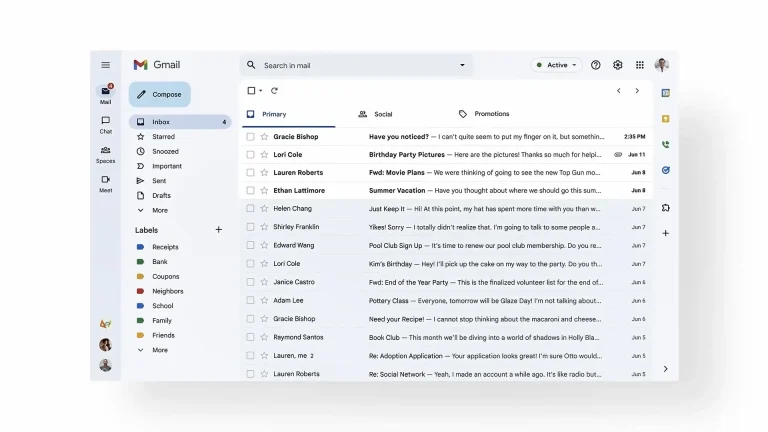
An abundance of email was stressing people out before the pandemic; now the overload is even worse. Here’s how to strike a healthier balance

Glean takeaways from Progressive’s 2020 hiring initiative to get a better handle on proving your return on investment

It’s an ideal time to assess the state of your communications. Here are some answers to common questions about investing in the process
Right now, clarity is king. Prioritize robust, consistent communication, and take time to tailor and target pieces for your specific employees

As diversity and inclusion efforts take shape, words and phrases emerge as crucial elements for cultivating mutual respect among co-workers. Consider these steps in developing a protocol.

Build trust with employees by sharing the “what,” “why,” “how” and “when”

Today’s business environment demands agility and multiple antennae to pick up signals from myriad sources.

Should you ask 10 questions — or 25 — to get the best result? We have the answer.
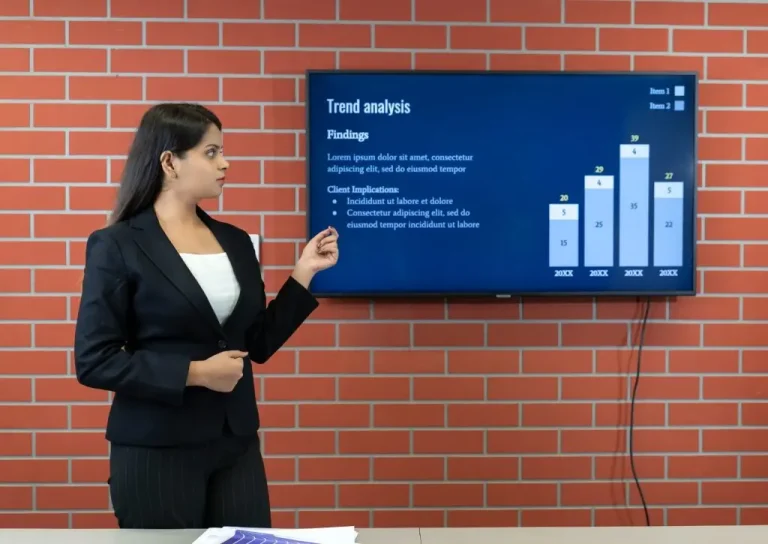
The big bosses who dole out money for projects need more than your say-so. Come armed with hard data and a solid business case, enlist a strategic ally, and be judicious about your timing.

Given the sociopolitical rollercoaster we’re all riding, bringing calm to and maintaining integrity within your workplace culture is challenging and important.

Lack of upfront research, misalignment with business objectives, and a failure to segment internal audiences are among the fatal flaws that undermine best intentions

A veteran researcher, breaks down sample sizes, stratified samples and response rates to help you gather the most accurate information about your workplace and staff.