Do They Open It? Read it? 9 Tips for Employee Newsletters
Aim to make each edition something people talk about
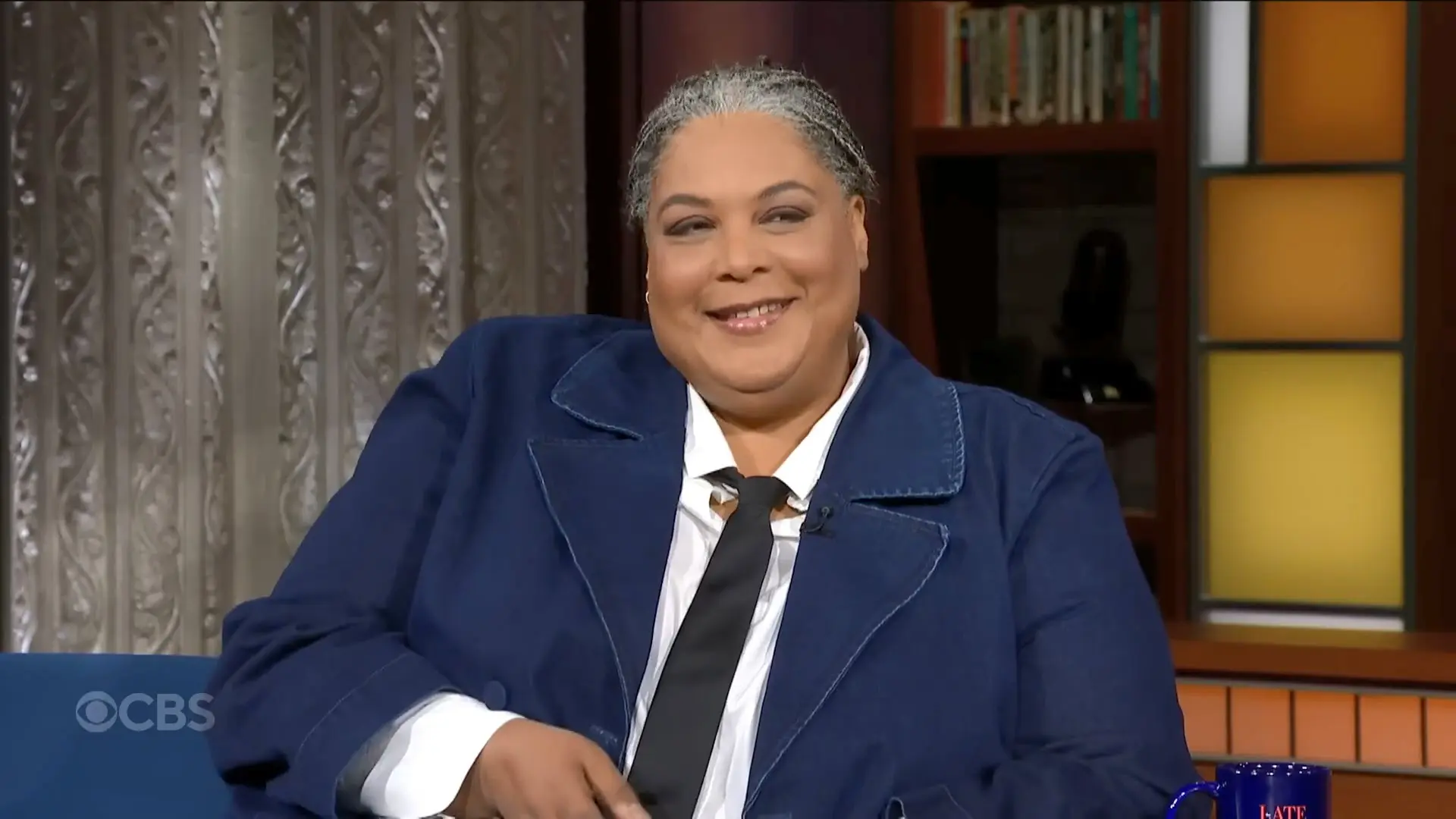
In a 2022 article about office culture in The New York Times, cultural critic Roxane Gay wrote, “Quite a lot of people who send emails are bad at writing emails.”
The same could be said for newsletters, especially those directed at employees. Internal communications teams too often focus on what the bosses want to say and lose sight of the goal of connecting with employees with memorable content.
Reading each newsletter should be its own reward. Employees should be glad they took the time even if they don’t select a single link. Employees will choose newsletter stories that are important to them and act on them, but first they must get in the habit of reading the newsletter.
Marketing expert Ann Handley said she quickly learned how to develop regular readers when she relaunched her newsletter, “Total Annarchy” in 2018.
“The most important part of the newsletter is the letter, not the news,” she wrote on its three-year anniversary. “The reason people will read it, love it, refer it… hinges on just one thing: What you say, along with how you say it.”
In that spirit, we have nine tips, large and small, to make your newsletter a more enjoyable experience for workers.
1. The newsletter is a second homepage. Think of the newsletter as a mini version of the intranet homepage. The newsletter should feature the most important, most timely news and information for that day that’s on the homepage.
Keep the newsletter short. Most readers won’t scroll to the bottom of a long newsletter the way they move down a webpage.
The length of the newsletter depends on how much news you have and how entertaining the newsletter is. The Ragan Consulting newsletter has eight modules or parts, which some might find to be a tad long.
2. Use news judgment. Too often, the newsletter items are ranked based on what the bosses think is important, no matter how stale the information might be. Or they’re placed in chronological order: last in, first out, like a bookkeeper keeping track of inventory. (These are sometimes problems with intranet homepages, too.)
Instead, use the journalistic principles of newsworthiness. Place the items in order of their news value, with the first item being the newsiest. While timeliness is important, it is just one factor to consider.
How many employees are affected? Is there human interest? Does the item feature a person well-known in the organization, from the CEO to the person at the reception desk? If the item affects a small group, is there a lesson for all employees? Is there a challenge that was overcome? A problem fixed?
3. Put a little design on it. Don’t think of the newsletter as an email. We’re surprised that even some large organizations’ employee newsletters are just text with links. Photos make an item more memorable and simple graphics can explain complex topics.
The design shouldn’t be complicated. The design features of most common newsletter tools will do the job.
4. Better writing. In all formats, we put a lot of effort into headlines and first sentences because they are crucial to enticing people to read. Typically, a newsletter item should have a headline, a sentence or two of description (about 50 words or less), and a link to the intranet for more. A clever phrase or a snappy quote will make a news item memorable.
5. Don’t use stock photos. People like reading about people, not policies or procedures. Yet many companies use stock photos on their intranet and internet pages rather than actual employees and customers. It’s convenient, but boring. It misses a chance to connect with the audience.
Describe the photos in the text or use short captions. Don’t leave the audience guessing.
6. Develop a mix of news. Here’s where brand journalism — using the journalistic tools of reporting and storytelling — can deepen connections among employees and between employees and the organization. Your company is filled with stories such as: how people do their jobs, inventions and innovations, community and charity activities, hobbies, employees’ career paths, employee resource groups.
Find a feature story you like in the business section of a news outlet and adapt it to your organization.
Consider some newsletter-only features, like a Stat of the Week or Today’s Big Number, or a featured photo.
Another suggestion is to aggregate industry news, including links from outside the organization. Many employees are reading the news or talking about it anyway. We recognize that some companies are reluctant to send employees outside of the intranet.
7. Hold some news. We’re often asked whether to delay an announcement until the newsletter comes out. It depends, but in general: Post important news to the intranet right away, hold feature stories and routine announcements for the newsletter.
When you have news, publish it. When you delay important news, word leaks out and it begins to lose its impact. In the newsletter, follow up the news with another story providing more details or explaining what happens next. Labeling it “ICYMI” is another less desirable option.
Employees will have a reason to open the newsletter if they know they’ll learn something they don’t know. That weighs in favor of keeping some fresh items for the newsletter.
8. Keep the header short. It’s called a newsletter, so get to the news. The header is the box at the top of the newsletter typically with the title and a logo or image. Long headers force employees to scroll down to read something new. The header should be short enough so that employees get the headline and text without scrolling.
9. Don’t repeat the subject line in the first item. Snappy subject lines are important, sure. When you come up with a good one, you’ll get a boost in the number of people who open the newsletter.
But if every newsletter is worth reading, the subject line matters less. Employees will make it a practice to read.
When employees open the newsletter, they’ll see both the subject line and the headline of the first item in the same screen. They should not be the same.
If that first item serves as an introduction to the newsletter, change the text with every edition. Don’t let it become boilerplate.
Good stories
Gay’s breakthrough came with the publication in 2014 of the best-selling “Bad Feminist,” a collection of essays. Three years later, she published a memoir, “Hunger.” Last year, the National Book Awards gave Gay, 51, a lifetime achievement award citing her work promoting other writers.
In 2021, Gay mocked newsletters when she started her own, saying, “Newsletters are over.”
She vowed to be different.
“That’s what I hope to do with this newsletter — tell one hell of a story about the world we’re living in, the culture we consume, the things that bring me joy, the things that infuriate me, the things I think we should talk about.”
That passion is hard to match, but good stories will bring in the audience every time.
Subscribe to “In Brief,” Ragan Consulting Group’s weekly newsletter.
Tom Corfman is a senior consultant with Ragan Consulting Group. He’s been working on newsletters since 1997, when he became a reporter at Crain’s Chicago Business, which was among the first news organizations to use newsletters to build an audience . Does your employee newsletter need a refresh? Email Tom to set up a free call with RCG partner Jim Ylisela.
Follow RCG on LinkedIn and subscribe to our weekly newsletter here.