Learning PR the Hard Way: How NFL Reporter Dianna Russini Explained Mike Vrabel Photos
The high-profile journalist with The Athletic unwittingly fueled the controversy ignited by the New York Post.
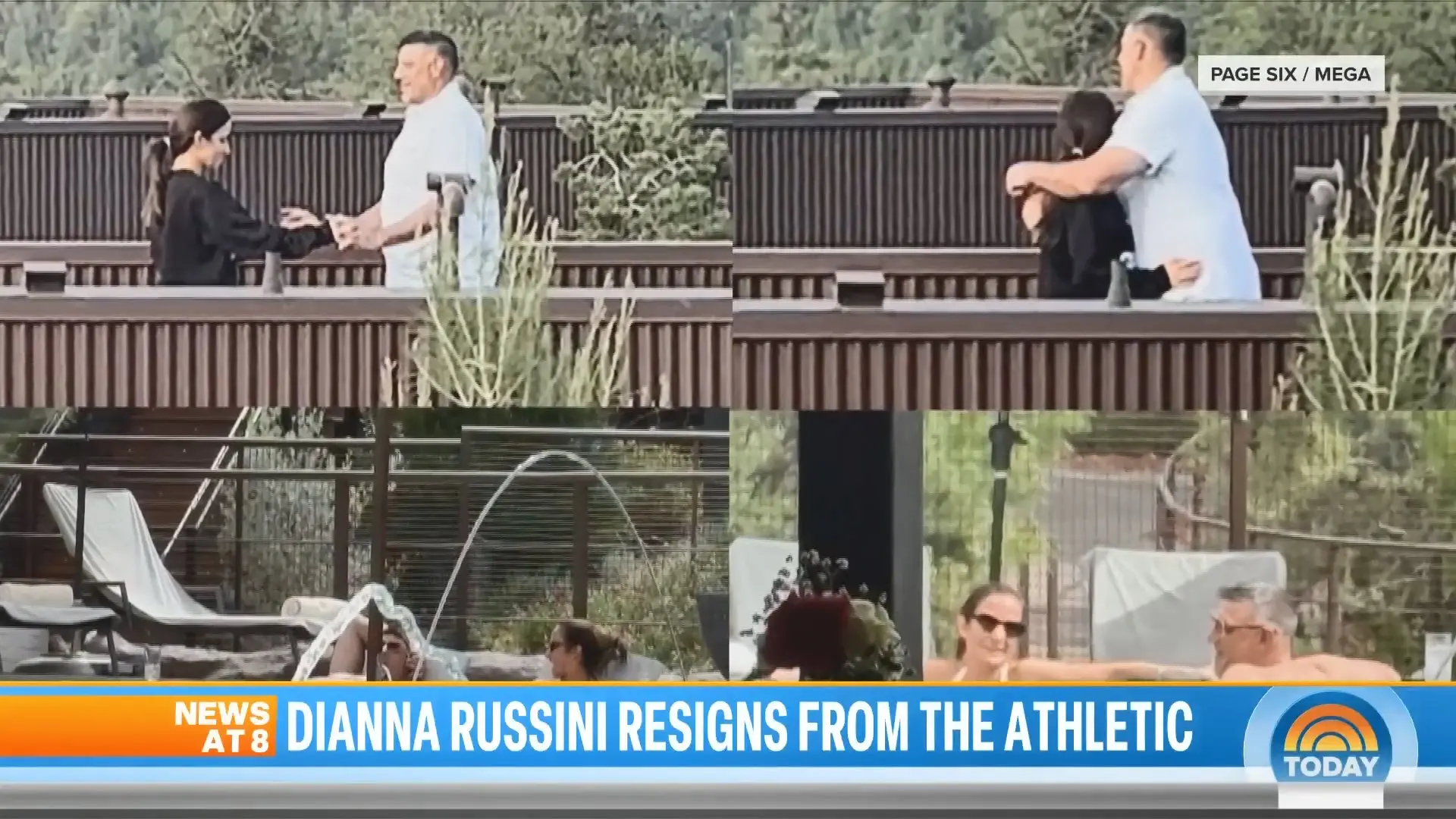
When the New York Post confronted star NFL reporter Dianna Russini with embarrassing photos of her hugging and holding hands with Mike Vrabel, head coach of the New England Patriots, she made a couple rookie mistakes in dealing with the media.
Her boss, Executive Editor Steven Ginsburg of The Athletic, then bungled his statement supporting Russini.
One week after the Post’s Page Six celebrity column published the six controversial pictures on April 7, 2026, Russini resigned from The Athletic, which is owned by The New York Times. She quit after the sports news site began investigating her reporting.
The story raises questions about a romantic relationship between Russini and Vrabel that they have denied.
Russini unwittingly helped fuel a fire she was trying to put out by not telling her bosses immediately about the story. She then offered an explanation that the Post could contradict and brought on renewed attention by posting her resignation letter online.
Reporters regularly aim to build close relationships with sources, especially on competitive beats like the NFL. When a reporter becomes too close to a source, it raises several ethical questions for journalists. The chief concern is that the reporter might bend the coverage to be favorable while withholding negative news.

The episode “stunned” the business side of the Times, according to an in-depth story by the newspaper on June 24, 2026. Russini is a sports celebrity in her own right, frequently breaking big stories thanks to her close relationships with sources from general managers to agents in a male-dominated industry.
The drama provides lessons to all public relations pros in how to respond to the news media, especially on difficult stories like this one. We’ll take a close look at how things unfolded, beginning with the day it started.
March 28: Russini, 43 and Vrabel, 50, are spotted in the morning at Ambiente, a luxury resort in Sedona, Arizona, which describes itself as a romantic getaway. They are both married to other people.
Someone takes snapshots of them hugging, holding hands, and sitting together in the hotel’s pool and hot tub. They left separately in the evening.
The reporter and coach are in Arizona for an NFL meeting about 120 miles away in Phoenix, which started the next day. An anonymous tipster offered to sell the pictures to TMZ before Page Six published them, Front Office Sports reported.
Easter Sunday, April 5: A Post reporter comes to Russini’s home in New Jersey seeking comment. What happened next isn’t clear, but Russini and Vrabel “worked together to coordinate their responses.”
Russini told the Post ― apparently off the record ― that she had been at the hotel on a girls’ trip, but over the next two days did not provide any photos or receipts from the trip, the Times reported.
In the story, a source close to Russini said she was with two friends. Vrabel was there with two friends, according to one of Vrabel’s friends.
Contradicting this account, three unnamed people who were at the resort told the Post that they did not see Russini and Vrabel with other people.
Russini didn’t tell her editors right away. Instead, she “eventually” contacted Meredith Kopit Levien, CEO of the Times company, whom she apparently came to know through company marketing events, the newspaper said.
Levien told Russini to call Ginsberg and David Perpich, publisher of The Athletic and the vice chairman of the Times company. A Times spokesperson said Levien was not involved after that.
Our comments: Making the first contact by showing up at somebody’s home on a holiday is a good example of why people hate reporters. The reporter likely intended to catch Russini by surprise, hoping to get an unguarded quote or two. It’s unfair, but that’s how some journalists work.
If you want to lose credibility with a reporter, say you’ll provide information and then don’t.
That Russini didn’t contact her editors immediately may indicate that she didn’t appreciate how serious the story was, a common mistake.
Or, by waiting, perhaps she hoped the editors wouldn’t have a lot of time to look deeply into the Post’s story or her relationship with Vrabel.
That Russini contacted Levien first suggests she hoped the chief executive would tell the editors to support their star reporter.
April 7: The Post’s deadline is just a few hours away when The Athletic executives learn about story. The executives were unaware that the Post first contacted Russini on April 5, the Times said.
Ginsberg was shown at least one photo. He apparently wasn’t told there were more.
April 7, 6:29 p.m.: The Post’s story is published. In the story, Vrabel is quoted as saying: “These photos show a completely innocent interaction and any suggestion otherwise is laughable. This doesn’t deserve any further response.”
Russini said: “The photos don’t represent the group of six people who were hanging out during the day. Like most journalists in the NFL, reporters interact with sources away from stadiums and other venues.”
Ginsberg worked with Perpich and the Times company’s chief communications officer on a statement, which read: “These photos are misleading and lack essential context. These were public interactions in front of many people. Dianna is a premier journalist covering the NFL and we’re proud to have her at The Athletic.”
In a note to The Athletic staff when Russini resigned, Ginsberg explained, “There were clear concerns, but we received a detailed explanation and it was our instinct to support and defend a colleague while we continued to review the matter.”
Our comments: Not being truthful with reporters is a fatal mistake. If reporters smell a lie, the story will cast doubt about the speaker.
Whenever a reporter asks any question, somebody should make sure that the answer is accurate, even in routine stories. Sometimes the questions are hard. It’s the role of a PR person or a lawyer to help the subject prep for those questions and formulate answers.
That the Post reporter apparently didn’t contact The Athletic directly would seem to be contrary to standard journalistic practice because the story clearly would implicate the publication. Organizations have to count on their employees to report a media inquiry, and when they don’t, the response is weakened.
Ginsberg was in a tough spot because of the tight time frame. Commenting before seeing all the photos was a mistake. What questions did he ask? What did he or the other editors of The Athletic suspect about Russini’s relationship with Vrabel?
“They were operating very flagrantly,” Robert Lipsyte, a former longtime Times sportswriter and ESPN ombudsman, told the newspaper. “The blatancy of it is shocking.”
After the story was published, photos and social media posts about them surfaced. If someone had looked before publication, what would they have found?
Under a tight deadline on a story like this one, the better practice is to comment only on what you know.
It would have been enough to say, as Ginsberg did, “Dianna is a premier journalist covering the NFL and we’re proud to have her at The Athletic.”
April 11: After initially defending Russini, The Athletic begins to investigate her reporting, which the Times reported. What made the difference was the pictures Ginsberg didn’t see.
“The photos that ultimately ran raised new questions about Dianna’s conduct,” a Times company spokesperson said.
April 14: Russini resigns, 11 weeks before her contract would have expired. In a lengthy resignation letter, which she posted online, she complained about the news coverage.
April 21: Vrabel acknowledges “difficult conversations with people I care about,” at a news conference during the Patriots’ offseason workout program. Two days later, he steps away from the team to seek counseling.
Early May: A Times reporter asks Russini for an interview. She responds with a text message, citing the “intense scrutiny and personal attacks” she has faced.
“This has had a significant impact on my life, both professionally and personally,” she said. She called herself a “former journalist” and asked the reporter not to quote from the text.
There was no prior agreement between the reporter and Russini to go off the record, the Times says.
At some point, the Times sent Russini details about the reporting. She declined several requests for an interview. Vrabel also declined comment.
When a reporter told Russini that portions of her text message would be published, she objected and then complained by email to Perpich and two Times editors.
Our comments: A dispute about off-the-record comments is one of the most common complaints about reporters, second only to misquotes.
The rule that most journalists follow: If sources want to go off the record, they must obtain the reporter’s consent before saying anything.
Russini went over the reporters’ heads to complain, like when she went directly to the CEO. That shouldn’t be routine practice, especially with a beat reporter. But on a damaging story like this one, you have to play every card you have.
Change the narrative
Russini said she quit “not because I accept the narrative that has been constructed around this episode, but because I refuse to lend it further oxygen or to let it define me or my career.”
It’s impossible to change a reporter’s view of a story without hard facts. In an attempt to explain herself, Russini unintentionally reinforced the narrative of an illicit affair that she was trying to dispel.
Sometimes it’s better to say nothing at all.
Tom Corfman is a senior consultant with Ragan Consulting Group. Do you need help reviewing your crisis communications plan? Email Tom to set up a free call with RCG co-founder and senior partner Jim Ylisela and crisis communications expert Nick Lanyi.
Follow RCG on LinkedIn and subscribe to our weekly newsletter here.