Reporting the Hard Truths about Water
Denver Water’s brand journalists cover the water crisis better than the news media. We have four tips on how they do it.
Stories about water — or rather, the lack of it — are everywhere these days. Water shortages are a top concern among people opposed to construction of major AI data centers in already water-challenged states. Federal agencies have issued alerts after cyberattacks on at least seven water utilities since late July.
But the biggest story about water is the one that’s also been with us the longest: drought.
Drought stories are everywhere. July was the hottest July in the contiguous United States since tracking began in 1895. About 48% of the country is in drought. In Germany, water levels in the Danube River have fallen so low that warships deliberately sunk late in World War II to impede the advancing Soviet army are emerging on the surface.
“When disaster strikes, water is on the front page,” according to Water Hub, a nonprofit committed to raising awareness of water issues.
Drought gets a lot of attention from the major media outlets, but the brand journalists at Denver Water are showing us how it’s done. After all, water is their business.
“Drought is ugly,” Travis Thompson, Denver Water’s communication manager, told me. “And we need our customers to know just how serious it is, so they understand why we’re asking for immediate behavior changes. But they can’t just take our word for it. So, we’re showing them.”
Here are some examples of their exemplary reporting, along with four brand journalism tips from us.
1. Build an effective news hub.
The municipal utility’s channel for telling those stories is TAP, Denver Water’s well-regarded brand journalism news platform. (Ragan Consulting Group worked with the utility to create and launch the site in 2015, and it has been going strong ever since.)
Denver Water’s website delivers what customers expect from their utility: how to report a problem or emergency, pay their bills, or start and stop water service. A prominent banner on the homepage publicizes the utility’s “Use Only What You Need” campaign to promote water conservation.
But reporting on the drought is never far behind, with story links on the utility’s homepage to TAP stories. The stories go out to subscribers in a weekly email newsletter, via TAP’s social channels and get regularly picked up by media.
“In the past, our news site has featured dynamic photos of snow-packed mountains, recreational activities at our facilities and landscapes that were the envy of the blocks,” Thompson said. “Now, we’re showcasing dried up storage reservoirs, telling stories about how we’re trying to save fish from dying, providing specific and actionable tips and resources to help people take action, and challenging customers who have green lawns.”
2. Own your beat.
The key to brand journalism is to be in front of the news in your business or industry, not just to follow it.
Water gets a lot of media attention, especially in times of crisis, but for Denver Water it’s everyday coverage. TAP’s brand journalists are breaking news, providing expert insights and taking their audience inside the water system, from under the street to inside the reservoirs and up in the mountains.
Long before the current drought made headlines, TAP was keeping an eye on the water supply. In a Dec. 31, 2025, article, reporter Jay Adams sounded a hopeful but cautious note for football-crazy Denver, where the Broncos and its star quarterback were heading into the NFL playoffs with a record 12 comeback victories. Here’s how his story started:
This year’s snow season off to record-low start
But hey, if Bo Nix and the Broncos can come from behind, so can Mother Nature.
Colorado is off to a record-low start to the snow season.
But with snowpack, like in football, what’s important is not how you start. It’s how you finish.
Adams revealed that the snowpack, which provides 90 percent of Denver’s water, stood at about 50% of its normal level. He also reported that the previous record-low snowpack came in the winter of 1980-81.
3. Explain stuff, especially when the news is bad.
On April 8, 2026, TAP reported that the Denver Board of Water Commissioners, which oversees the utility, had declared a Stage 1 drought and imposed additional “drought charges” for outdoor use of water, starting with the June bills — the first such increase in more than 20 years, since the 2002-2004 drought.
Price increases are never popular, and water can be confusing and hard to understand. But TAP met the news head on, Thompson said.
An Aug. 3 story by TAP writer Jay Adams didn’t pull any punches. Here’s how the story starts:
How low will we go? Reservoir levels are dropping as customers use water
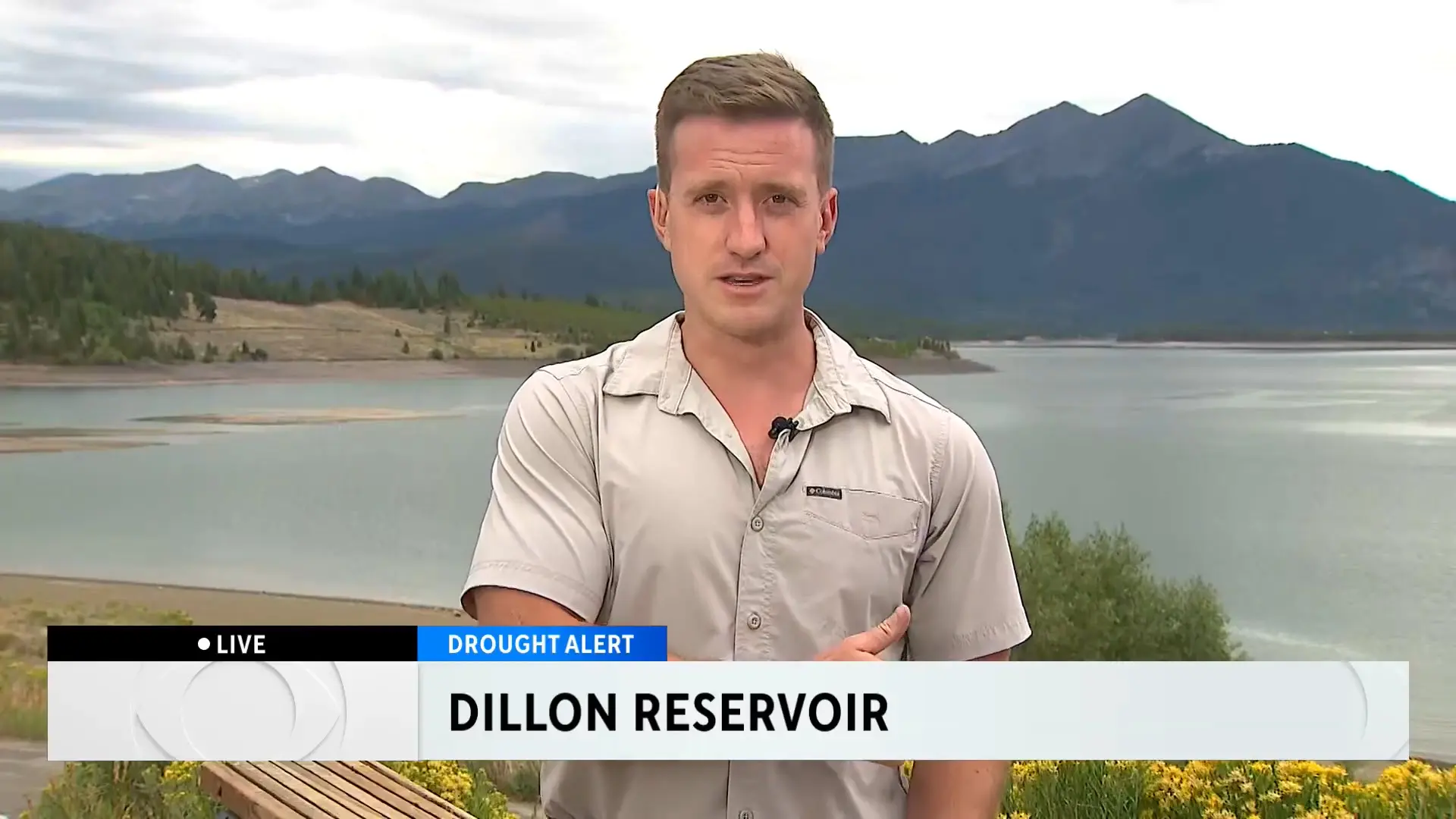
Dillon Reservoir is down 20 feet, another is less than half full, while a third is dry.
Denver Water’s reservoir storage system, holding water supplies carefully built up over many years, is getting hit hard this summer as hot, dry weather drags on and customers use water.
The story goes on to give specific data about the state of the system’s reservoirs, with this sobering statistic: “Overall, as of July 31, Denver Water’s reservoirs stood at 75% of capacity, more than 20 percentage points down from the 96% they’re normally full at the end of July.”
Adams quotes the utility’s manager of water supply, who describes the problem in a way that readers can understand.
“Denver Water’s robust reservoir system serves as our water ‘savings account,’” Nathan Elder said. “This year we are making significant withdrawals from our savings — and we don’t know how long the hot and dry weather conditions will last, or what this winter’s snowpack will look like.”
4. Use all the tools of storytelling to reach your audience.
TAP uses written stories, photography, video and infographics to explain the drought and its consequences. A May 29 story showed customers how to read their water bills and examine the additional drought charges.
A July 27 Q&A provides an update on a reservoir expansion project and its importance for the water security of the region. The story includes maps, photographs and a video interview.
Organizations across industries can use their access to information and expertise to report openly and honestly about the issues that confront their customers and constituencies, Thompson said.
“We’ve always been transparent in our storytelling, and that approach is more important than ever to help educate and inform our community, while imploring them to save water, as we manage through a drought like we’ve never before experienced,” he said.
Jim Ylisela drinks a lot of water, even more so after his wife told him he wasn’t hydrating properly. Want to revamp your online newsroom, improve your storytelling and take the plunge into brand journalism? Email Senior Consultant Tom Corfman to set up a free call with him and Jim, RCG co-founder and senior partner.
Follow RCG on LinkedIn and subscribe to our weekly newsletter here.